Precision endodontic surgery to treat persistent infection and preserve your natural tooth.
While root canal treatment has a high success rate, occasionally an infection can persist at the very tip of the tooth root, hidden within the jawbone. In these cases, an apicectomy, also known as root-end surgery, is often the only way to save the tooth.
At Coulthard Dental Practice, our clinical team performs this specialist procedure to remove the infected root tip and the surrounding inflamed tissue. By approaching the infection directly through the gum, we can successfully resolve the issue and prevent the need for an extraction.
Specialist Root-End Surgery
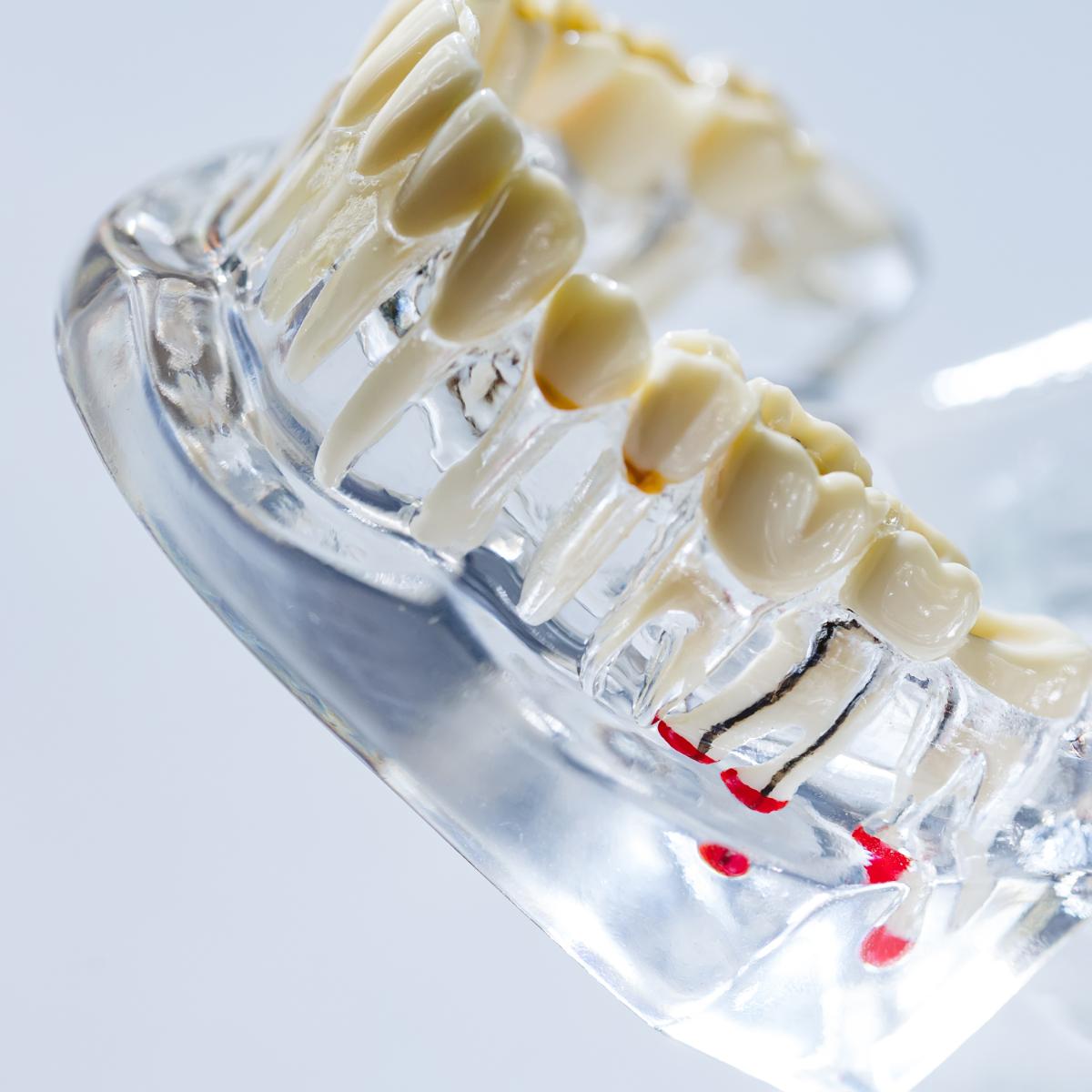
An apicectomy is a microsurgical procedure that requires a high level of clinical expertise and precision. Unlike a standard root canal, which works through the top of the tooth, an apicectomy addresses the problem at the source.
Our clinicians use advanced magnification and specialised instruments to access the root tip. We carefully remove the infected apex (the tip) and any associated cyst or infected tissue. By treating the infection at this foundational level, we can often give a “failing” tooth a new lease of life, maintaining your natural smile and the integrity of your bite.
Supporting your long-term oral health
At our Wilmslowdental practice, we prioritise your comfort during and after the procedure. An apicectomy is performed under local anaesthetic, ensuring you feel no pain during the surgery. Because we use minimally invasive techniques, the post-operative recovery is usually straightforward.
Once the infected root tip is removed, we place a small, high-grade filling to seal the end of the root canal. This prevents bacteria from re-entering the tooth and allows the bone to heal naturally around the root. This specialist intervention is a testament to our commitment to preserving your natural teeth whenever clinically possible.
powered by tabeo
Discover your finance options
Spread the cost of care. We want to make exceptional dentistry affordable and accessible to all. Our team will help you find a suitable payment solution.
We’ve teamed up with Tabeo to offer 0% finance and help spread the cost of treatment. Click the link to visit Tabeo for more information.
Your surgical process
Specialist assessment
We use high-definition digital X-rays or CBCT scans to locate the infection and determine if an apicectomy is the most effective solution for your tooth.
Microsurgical treatment
Under local anaesthetic, the infection is accessed through a small incision in the gum. The root tip is removed, cleaned, and sealed with clinical precision.
Healing and review
We provide detailed aftercare instructions to ensure a smooth recovery. A follow-up appointment is usually scheduled to monitor the healing of the bone and tissue.
Frequently asked questions
Begin Your Journey to a Healthier Smile in Wilmslow
Whether you are looking for a trusted family dentist in Wilmslow or specialist dental treatment in Cheshire, our experienced team is here to help. Join Coulthard General & Specialist Practice today and experience personalised dental care tailored to you and your family.